
High Profile Area at the
On 01.03.2024 the time has finally come: The "Bremen Big Data Challenge" (BBDC) is entering its ninth round! The BBDC is a programming competition on the topic of data analysis organized by the Cognitive Systems Lab at the University of Bremen. It is supported by "JUST ADD
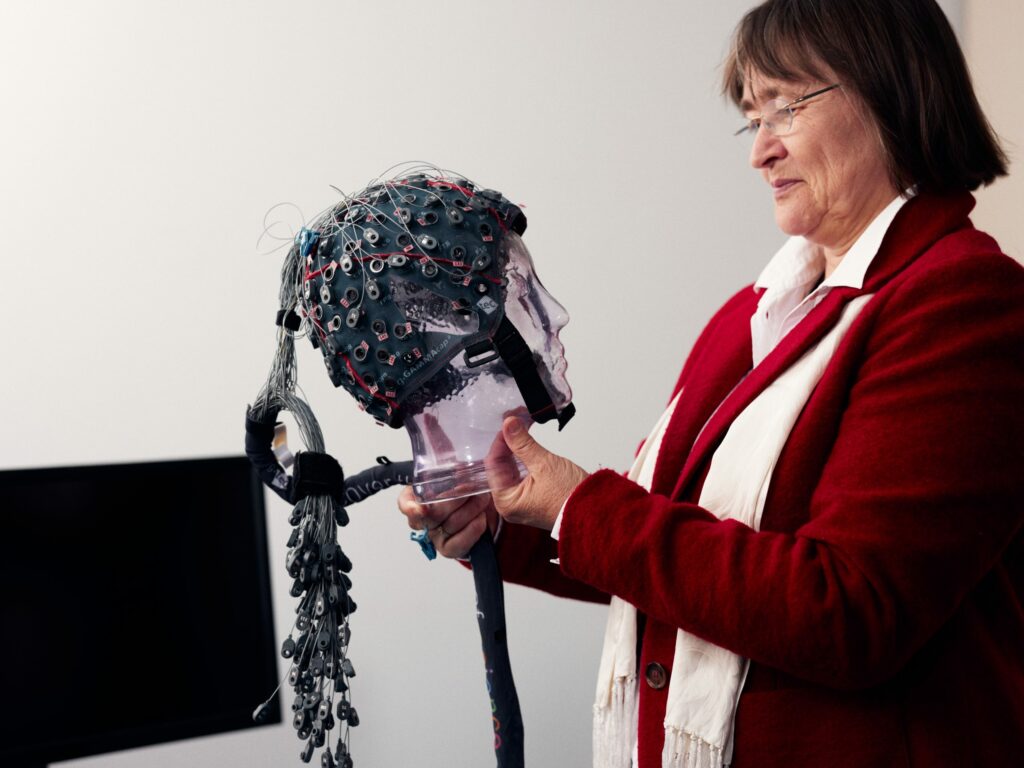
The Bremen State Parliament has approved funding for the project “Biosignals-HUB: Biosignal Sensors for Human-Centered AI @ University of Bremen,” led by MMM spokesperson Tanja Schultz. The project will receive 2.9 million euros from the State of Bremen and 1.9
The Software Engineering working group (https://www.uni-bremen.de/st), headed by MMM member Prof. Dr. Rainer Koschke, has three vacancies for research assistants (doctoral students or postdocs) to be filled as soon as possible. The job advertisements are available under the following links: 2 Research Assistants Teaching
A postdoc and a PhD position are available at the Chair for Combinatorial Optimization headed by MMM-member Prof. Nicole Megow (https://www.uni-bremen.de/en/cslog/nmegow) at the University of Bremen. Check out the detailed job description here: https://lnkd.in/eeyDaXPF. The application deadline is January 20,
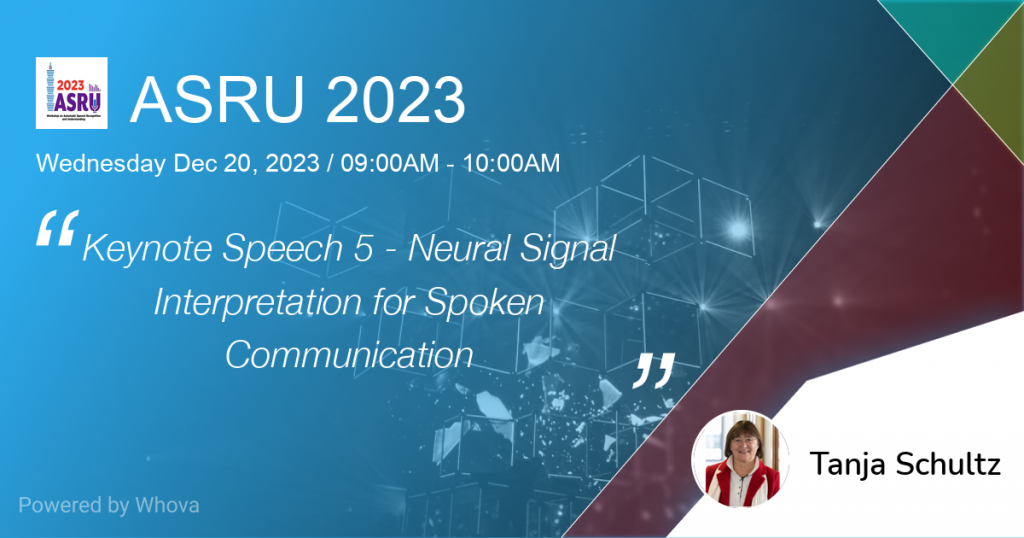
Prof. Tanja Schultz will deliver a keynote address on “Neural Signal Interpretation for Spoken Communication” at the IEEE Workshop on Automatic Speech Recognition and Understanding (ASRU) 2023!
We are happy to announce the current Call for Applications for non-resident Associate Junior Fellowships within the HWK Postdoc Program. Application deadline: February 29, 2024 Start of Fellowship: July 1, 2024 Associate Junior Fellows keep their current position at a

Employee wanted for a DLR-funded project to create a virtual twin for a Mars mission. Further information about the project: https://cgvr.cs.uni-bremen.de/research/vamex3-vtb/ Duration: 1.5 years, with option to extend (if funding is available) Salary: TVL-E 13, 100% (full-time) Requirements: - Master's degree in computer science or similar.
ChatGPT and other forms of generative AI have been the talk of the town since the last Open AI campaign around a year ago. As the ZeMKI has been dealing with this topic from a social science perspective for some
Since Bremen will be the host city for this prestigious conference in 2026, MMM-members are especially encouraged to submit also to the preceding conferences to promote Bremen and MMM as a hub for AI and to gain a more comprehensive
to
to
to
to
to
to
to
to
to
to
to
to
to
to
to
to